Introduction
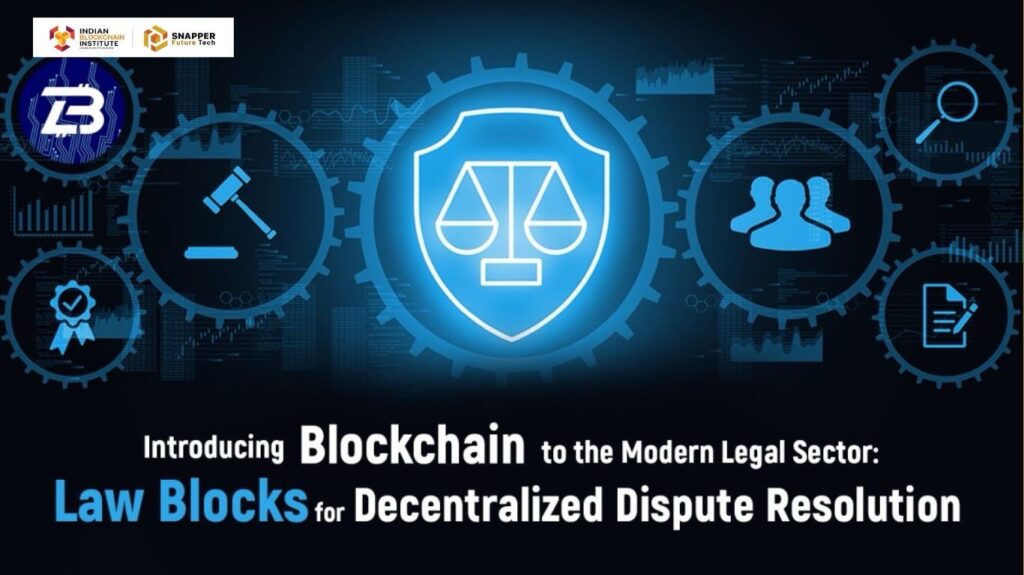
As blockchain technology continues to revolutionize industries, smart contracts have emerged as a game-changer for business agreements, financial transactions, and legal frameworks. However, disputes and contractual conflicts remain inevitable. Traditional dispute resolution mechanisms are often slow, expensive, and inefficient, leading to the rise of smart contract arbitration and on-chain governance as innovative solutions.
By leveraging blockchain’s decentralized nature, these mechanisms reduce legal and operational costs, ensure automated enforcement, and promote transparency in contract execution. In this article, we explore how smart contract arbitration and on-chain governance can reshape the way disputes are handled in the digital economy.
Smart Contract Arbitration: A Decentralized Approach to Conflict Resolution
Smart contracts are self-executing agreements written in code and deployed on a blockchain. While they eliminate the need for intermediaries, they do not inherently provide built-in dispute resolution mechanisms. This is where decentralized arbitration comes into play.
How Smart Contract Arbitration Works:
- Dispute Trigger: If a party believes the contract has been violated, they can submit a dispute to a blockchain-based arbitration system.
- Selection of Arbitrators: Decentralized platforms such as Kleros, Aragon Court, and Jur allow arbitrators (often chosen randomly or based on staking mechanisms) to evaluate evidence and make rulings.
- On-Chain Enforcement: Once a decision is reached, the smart contract automatically enforces the ruling, whether by releasing funds, canceling transactions, or adjusting contract terms.
Benefits of Smart Contract Arbitration:
- Speed: Eliminates lengthy legal processes by resolving disputes in days or even hours.
- Cost Efficiency: Reduces legal fees and administrative costs associated with traditional courts.
- Global Accessibility: Anyone, anywhere, can participate in decentralized arbitration without jurisdictional barriers.
- Tamper-Proof Decisions: Since rulings are recorded on-chain, they are immutable and cannot be altered or manipulated.
On-Chain Governance: Decentralized Decision-Making in Business Agreements
Traditional governance models rely on central authorities to enforce rules and resolve conflicts. On-chain governance replaces this with community-driven, transparent, and automated decision-making processes.
Key Components of On-Chain Governance:
- Voting Mechanisms: Stakeholders (token holders, network participants) vote on contract disputes and governance changes.
- Smart Contract Execution: Governance decisions are enforced automatically without requiring manual intervention.
- Proposal Systems: Users can propose changes, dispute resolutions, or modifications to smart contracts.
Examples of On-Chain Governance in Action:
- Decentralized Autonomous Organizations (DAOs): Platforms like MakerDAO and Compound use on-chain governance to manage financial protocols and resolve disputes.
- Aragon & Kleros: Enable businesses and individuals to create blockchain-based governance frameworks and decentralized courts.
Advantages of On-Chain Governance:
- Fair and Transparent: No single entity controls decision-making, reducing corruption and bias.
- Self-Executing Rules: Eliminates the need for intermediaries to enforce agreements.
- Reduces Bureaucracy: Smart contracts streamline governance processes, reducing administrative overhead.
Cost Reduction and Efficiency Gains in Business Agreements
One of the most significant advantages of smart contract arbitration and on-chain governance is cost reduction in business agreements. Traditional legal disputes involve hefty fees, court proceedings, and delays. By transitioning to blockchain-based dispute resolution, businesses can:
- Reduce Legal Expenses: On-chain arbitration eliminates lawyer fees and court costs.
- Automate Dispute Settlements: Smart contracts resolve conflicts without requiring human intervention.
- Minimize Fraud Risks: Blockchain’s transparency ensures that agreements are executed fairly and verifiably.
According to industry estimates, blockchain-based arbitration can cut legal and operational costs by up to 70%, making it an attractive solution for businesses of all sizes.
Ensuring Transparent and Automated Contract Enforcement
Unlike traditional contracts that require manual enforcement, smart contracts execute automatically when predefined conditions are met. This ensures that agreements are honored without delays, disputes, or external enforcement agencies.
Mechanisms for Automated Contract Enforcement:
- Escrow Smart Contracts: Funds are held in escrow and released only upon successful contract fulfillment.
- Conditional Execution: Payments, service delivery, or penalties are automatically triggered based on blockchain-verified actions.
- Immutable Records: Every action is recorded on the blockchain, ensuring accountability and eliminating fraudulent alterations.
Real-World Use Cases:
- Supply Chain Management: Smart contracts track shipments and release payments when goods are verified as delivered.
- Freelancer Payments: Platforms like Ethereum-based Escrow solutions ensure that freelancers receive payments upon task completion.
- Real Estate Transactions: Automates property transfers, reducing fraud and legal complexities.
Conclusion
Smart contract arbitration and on-chain governance represent a paradigm shift in conflict resolution, contract enforcement, and business efficiency. By reducing legal costs, ensuring transparent agreements, and automating dispute settlements, these blockchain-driven solutions are reshaping industries from finance to supply chains.
As businesses and individuals continue to embrace decentralized technologies, the adoption of on-chain arbitration mechanisms will grow, making traditional legal frameworks faster, more efficient, and more equitable. The future of business agreements lies in blockchain’s ability to deliver self-executing, dispute-resistant, and cost-effective solutions.
Embracing smart contract arbitration and on-chain governance today is not just an innovation—it is a necessity for the future of digital agreements.